ripples guide
Ripples Guide: An Overview
Ripples‚ initially a Google+ analytics tool‚ visually maps content sharing and influence. Today‚ 12/16/2025‚ resources abound‚
from Blender tutorials for realistic water ripples to After Effects logo animations.
Ripples Tutorial offers online learning‚ while guitarists explore ripple-inspired techniques. Macro photography showcases ripple effects‚
and advanced techniques utilize geometry and shader nodes for interactive visuals.
What are Ripples?
Ripples‚ originally conceived within Google+‚ is a powerful analytics tool designed to visually represent the spread of content across the social web. It doesn’t merely show who shared your material‚ but crucially‚ how influential those sharers are within their respective networks.
The core functionality of Ripples lies in its graphical representation of sharing patterns. Each node in the visualization represents an individual who has shared your content‚ and the size of that node corresponds to their influence – essentially‚ how many people they reach. This allows you to quickly identify key individuals driving the conversation around your content.
As of today‚ 12/16/2025‚ while the original Google+ iteration is no longer available‚ the concept of Ripples persists as a metaphor for understanding influence and propagation in digital spaces. Modern analytics tools often incorporate similar principles‚ aiming to map and measure the impact of social sharing. The initial tool was a great way to graphically identify people who shared content.
The History of Ripples Analytics (Google+)
Ripples originated as a unique analytics feature within the now-defunct Google+ social network. Launched to provide a deeper understanding of content sharing‚ it quickly gained attention for its innovative visual approach to social influence. Unlike traditional analytics focusing on raw numbers‚ Ripples graphically mapped the spread of posts‚ highlighting key individuals driving visibility.
The tool‚ active around 2022 and 2025‚ allowed users to identify not just who was sharing their content‚ but also the reach and influence of those sharers. This was achieved through a node-based visualization‚ where node size indicated influence. It was a “great little analytics tool” as described on 12/16/2025.
Despite its popularity‚ Ripples was ultimately discontinued with the sunsetting of Google+. However‚ its legacy lives on‚ influencing the development of more sophisticated social analytics tools. The core concept – visually mapping influence – remains a valuable approach to understanding content propagation in the digital age‚ and continues to inspire new techniques.
Ripples and Social Media Sharing
Ripples analytics‚ born from Google+‚ fundamentally changed how we perceive social media sharing. It moved beyond simple share counts‚ focusing on the quality of shares – specifically‚ the influence of the individuals amplifying content. This insight is crucial in today’s crowded digital landscape.
The tool’s visualization revealed that not all shares are equal. A share from a highly connected and influential user carries significantly more weight than one from an account with limited reach. Ripples graphically demonstrated this‚ allowing content creators to identify and prioritize engagement with key influencers.
While the original Ripples tool is no longer available‚ the principle remains vital. Understanding how content spreads through networks‚ and identifying influential sharers‚ is essential for effective social media strategy. Modern analytics platforms now incorporate similar concepts‚ building upon the foundation laid by Ripples‚ as of 12/16/2025.
Ripples in Digital Art & Design
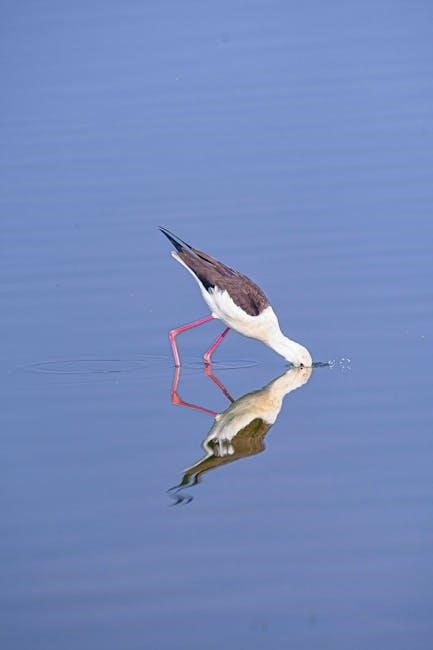
Digital art utilizes ripples for realism‚ from Blender water simulations to stylized‚ hand-drawn effects in projects. After Effects creates logo animations‚
and Geometry Nodes generate dynamic visuals.
Creating Realistic Water Ripples in Blender
Blender offers powerful tools for simulating realistic water ripples‚ transforming static scenes into dynamic environments. If your current water appears too still or lacks life‚ a quick adjustment to the simulation settings can dramatically improve its appearance. This tutorial‚ dated October 31st‚ 2025‚ guides users through the process of adding convincing ripples to their Blender projects.
The key lies in understanding the interplay between mesh deformation‚ physics simulations‚ and material properties. Begin by creating a water surface mesh and applying a physics simulation – specifically‚ a fluid simulation. Adjusting parameters like viscosity‚ surface tension‚ and mesh resolution will influence the ripple behavior. Experimentation is crucial to achieve the desired look.
Furthermore‚ consider incorporating noise textures to introduce subtle variations in the water surface‚ enhancing the realism. Proper lighting and shading are also essential; utilizing a reflective material and carefully positioned light sources will accentuate the ripple effects‚ creating a visually stunning result. This technique breathes life into any Blender water scene.
Stylized Water Ripples: Hand-Drawn Effects
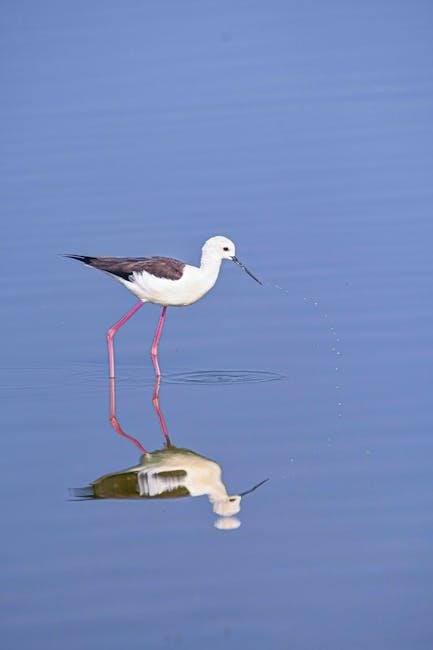
For projects demanding a unique aesthetic‚ Blender allows for the creation of stylized‚ hand-drawn water ripples. This tutorial‚ published January 10th‚ 2025‚ focuses on achieving this effect through simplified techniques‚ moving away from photorealism towards artistic expression. The core idea revolves around creating a simple‚ yet effective‚ visual representation of water disturbance.
Instead of complex physics simulations‚ this method utilizes procedural textures and shader manipulation. Begin by creating a base mesh representing the water surface. Then‚ employ a noise texture to generate the ripple pattern. Adjust the scale‚ detail‚ and distortion of the noise texture to achieve the desired hand-drawn look.
Further stylization can be achieved through the use of cel shading or toon shading‚ which mimics the flat colors and bold outlines often found in animation. Experiment with different color palettes and line weights to enhance the artistic style. This approach offers a creative alternative to realistic water simulations‚ perfect for illustrative projects.
Ripple Effects in After Effects: Logo Animation
Dynamically enhance logo animations with captivating ripple effects using After Effects. This tutorial guides you through creating a distort ripple wave effect‚ adding depth and visual interest to your branding; The process involves utilizing After Effects’ built-in effects and keyframing techniques to simulate the propagation of waves.
Begin by duplicating your logo layer and applying a displacement map effect. This will serve as the foundation for the ripple distortion. Create a new solid layer and apply a fractal noise effect to generate the ripple pattern. Adjust the noise settings – scale‚ contrast‚ and complexity – to achieve the desired wave appearance.
Link the fractal noise layer to the displacement map effect on your logo layer. Animate the evolution property of the fractal noise over time to create the illusion of expanding ripples. Experiment with different blending modes and color adjustments to integrate the effect seamlessly with your logo’s design.
Generating Ripple Effects with Geometry Nodes
Unlock powerful procedural animation capabilities with Geometry Nodes in Blender to generate stunning ripple effects. This technique allows for highly customizable and interactive water simulations without complex fluid dynamics. The core principle involves displacing vertices based on a noise texture‚ creating the illusion of propagating waves.

Start by adding a Geometry Nodes modifier to your mesh. Utilize a noise texture node to drive the displacement. Connect the noise texture’s output to a vector math node‚ scaling the noise values to control the ripple amplitude. Apply a Set Position node to offset the vertices based on the scaled noise texture.
Animate the noise texture’s offset to create the time-dependent ripple motion. Experiment with different noise types‚ scales‚ and detail levels to achieve varied ripple patterns. Further refine the effect by adding damping or attenuation to simulate realistic wave dissipation. This method offers a flexible and efficient way to create dynamic ripple visuals.

Ripples as an Educational Resource

Ripples Tutorial provides comprehensive online courses led by expert instructors‚ offering flexible learning options. Guitar lessons incorporate ripple-inspired techniques‚
enhancing musical skillsets and creative expression.
Ripples Tutorial: Online Learning Platform
Ripples Tutorial emerges as a dynamic hub for quality online education‚ dedicated to fostering skill development across diverse disciplines. The platform distinguishes itself by connecting learners with expert instructors‚ ensuring a high standard of educational delivery.
Access to comprehensive courses is a cornerstone of the Ripples Tutorial experience. Whether you’re a beginner or seeking advanced knowledge‚ the platform caters to various skill levels. A key benefit is the flexibility offered – learners can tailor their schedules and progress at their own pace‚ accommodating individual needs and commitments.
Beyond core course materials‚ Ripples Tutorial cultivates a supportive learning community. Interactive elements and opportunities for collaboration enhance the educational journey. The platform consistently updates its offerings‚ ensuring content remains relevant and aligned with industry trends. Discover a world of knowledge and unlock your potential with Ripples Tutorial!
Guitar Tutorials Featuring Ripple-Inspired Techniques
Explore a unique intersection of music and visual artistry with guitar tutorials inspired by the concept of ripples. These lessons delve into techniques that emulate the cascading‚ flowing nature of water ripples through musical expression. Stuart’s guitar lessons‚ specifically focusing on Beabadoobee’s music‚ demonstrate how to achieve a flowing‚ dynamic sound.
These tutorials often emphasize arpeggiation‚ fingerpicking patterns‚ and subtle harmonic variations to create a sense of movement and resonance. Learning to utilize a capo‚ like the Kyser Quick-Change Capo‚ is frequently highlighted to alter the tonal landscape and add depth.
The goal isn’t simply to replicate a sound‚ but to embody the feeling of ripples – their gentle expansion‚ their interplay of light and shadow‚ and their inherent fluidity. These techniques empower guitarists to add a new dimension to their playing‚ evoking imagery and emotion through their music.

Ripples in Photography & Macro Photography
Macro photography beautifully captures ripple effects‚ offering unique perspectives. Tutorials demonstrate techniques for showcasing these distortions‚
with membership options unlocking exclusive content and macro photography wallpapers as of November 24‚ 2024.
Macro Photography Tutorials & Ripple Effects
Macro photography presents a fantastic opportunity to explore the captivating world of ripple effects. These subtle yet dynamic patterns‚ often overlooked in broader shots‚ become strikingly visible when magnified. Tutorials available as early as November 24‚ 2024‚ guide photographers through techniques for capturing these delicate distortions on water surfaces.
Successful macro ripple photography hinges on several key factors. Precise focusing is paramount‚ ensuring the ripples themselves are sharp and defined. Utilizing a shallow depth of field can beautifully isolate the ripple patterns‚ blurring the background for enhanced visual impact. Experimenting with lighting is also crucial; side lighting can accentuate the texture and form of the ripples‚ while backlighting can create a shimmering‚ ethereal effect.
Furthermore‚ consider the composition. Leading lines created by the ripples can draw the viewer’s eye into the image. Exploring different angles and perspectives will reveal unique and compelling ripple formations. Don’t hesitate to experiment with post-processing techniques to subtly enhance contrast and clarity‚ bringing out the intricate details of these mesmerizing natural patterns.

Advanced Ripple Techniques
Advanced methods involve interactive ripple effects using geometry and shader nodes (January 1‚ 2025). Creating base gradients (April 27‚ 2022) and distorting ripple waves
for logos are also key.
Interactive Ripple Effects: Geometry & Shader Nodes
Interactive ripple effects represent a significant leap in visual complexity‚ moving beyond static simulations to dynamic‚ user-responsive designs. As demonstrated in a tutorial from January 1‚ 2025‚ achieving this involves a clever combination of Geometry Nodes and Shader Nodes within a 3D environment.

The core principle lies in using Geometry Nodes to generate a base mesh‚ often a plane or grid‚ which will serve as the surface for the ripples. This mesh is then dynamically deformed based on input parameters – such as mouse position or other interactive elements – creating the illusion of ripples emanating from a point of impact.
Shader Nodes then come into play‚ responsible for the visual appearance of the ripples. These nodes control aspects like color‚ transparency‚ and distortion‚ allowing for a wide range of stylistic variations. By carefully manipulating these parameters‚ artists can create everything from subtle‚ realistic water ripples to bold‚ abstract visual effects. The interplay between these two node systems is what unlocks the potential for truly engaging and immersive interactive experiences.
Creating Base Gradients for Ripple Visuals
Establishing a solid foundation is crucial for compelling ripple effects‚ and that often begins with thoughtfully crafted base gradients. A tutorial from April 27‚ 2022‚ highlights the importance of this initial step‚ emphasizing how it significantly impacts the final visual outcome. Rather than simply applying ripples to a flat surface‚ incorporating a gradient adds depth and realism.
The process typically involves defining a color scheme that reflects the desired mood and environment. For example‚ a water-based ripple effect might utilize shades of blue and green‚ while a more abstract visual could employ contrasting colors for a dramatic effect. The gradient itself can be linear‚ radial‚ or even more complex‚ depending on the artistic vision.
Once the gradient is established‚ it serves as the backdrop for the ripple distortion. The ripples then interact with the gradient‚ creating highlights and shadows that enhance the illusion of depth and movement. This technique is particularly effective when combined with other visual effects‚ such as lighting and textures‚ to create truly immersive and captivating ripple visuals.
Analyzing Ripple Influence: Identifying Key Sharers
The original Ripples tool‚ born from Google+‚ excelled at graphically displaying content spread and‚ crucially‚ identifying influential sharers. This analytical capability remains central to understanding the impact of online content. Determining who is amplifying your message is as important as knowing how far it travels.
Effective analysis involves looking beyond simple share counts. Ripples visualized the network of shares‚ allowing users to pinpoint individuals with large and engaged followings. These “key sharers” possess the power to significantly expand reach and drive engagement. Identifying them allows for targeted outreach and relationship building.
Modern social media analytics platforms offer similar functionalities‚ though perhaps not with the same visual clarity as the original Ripples. Understanding the demographics‚ interests‚ and influence scores of key sharers provides valuable insights for refining content strategy and maximizing impact. It’s about recognizing the catalysts within the ripple effect.
Distort Ripple Wave Effects for Logos

Creating dynamic ripple wave effects for logos using After Effects adds a captivating‚ fluid motion to branding. This technique‚ explored in tutorials available as of November 24‚ 2024‚ involves distorting the logo shape with simulated water disturbances. The goal is to achieve a visually appealing animation that draws the eye and reinforces brand recognition;
The process typically begins with creating a base layer for the ripple effect‚ often utilizing gradients as a foundation (as demonstrated in tutorials from April 27‚ 2022). Then‚ displacement maps or wave warp effects are applied to the logo layer‚ simulating the distortion caused by ripples. Careful adjustment of parameters like wave height‚ speed‚ and tension is crucial.
Experimentation with different distortion styles – subtle undulations versus dramatic waves – allows for tailoring the effect to the logo’s aesthetic and the desired brand message. Mastering this technique elevates logo animations beyond static displays‚ creating memorable and engaging visual experiences.