antique cast iron dutch oven identification guide
Overview of Antique Dutch Ovens
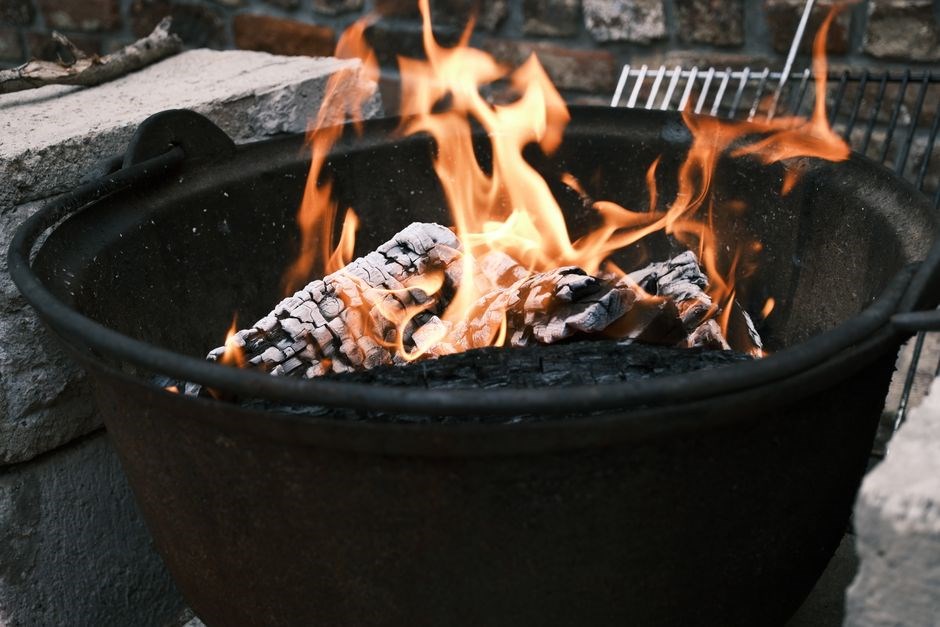
Antique Dutch ovens, prized for their durability, often feature heavy cast‑iron construction, classic Dutch shapes, and distinctive manufacturer marks. Collectors seek original handles, smooth interiors, and minimal rust, as these traits confirm authenticity and value. and enduring craftsmanship. chefs
Historical Context and Manufacturers
From the late 18th to early 20th century, Dutch ovens became a staple in European kitchens. By the 1830s, larger firms like “H. J. & Co.” and “B. & G.” mass‑produced these vessels, exporting them across Europe and the United States. In the 1870s, Dutch firms “M. & S.” and “T. & L.” merged, creating a dominant market presence until World War I. In the early 20th century, standardized sizes and brand logos emerged, though many manufacturers still stamped their names on the pot’s bottom. Post‑war, production slowed; by the 1950s, only a few Dutch foundries remained active, producing limited export runs. Today, antique Dutch ovens are prized for their historical significance and craftsmanship. Regional variations, like heavier bodies in the north versus lighter, portable models in the south, reflect local culinary traditions.
The migration of Dutch ovens to North America in the late 19th century introduced the cookware to a new market, where it became essential for colonial settlers and later for industrial kitchens. American manufacturers replicated Dutch designs and added enamel coatings in the 1920s. By the 1930s, aluminum and stainless‑steel pots eclipsed cast‑iron, reducing Dutch output.
In the 1950s, a resurgence of interest in traditional cooking revived demand for authentic Dutch ovens. The provenance of a Dutch oven can often be traced through its maker’s mark, the style of its lid, and the type of enamel used, making careful documentation essential for accurate appraisal. Collectors also examine the weight and seam quality to assess authenticity. Handles remain and finish! — a mark!!!!!!
In recent years, chefs and home cooks alike have rediscovered the Dutch oven’s versatility, using it for everything from slow‑cooked stews to artisan bread. Its ability to retain heat and distribute it evenly makes it a favorite for kitchens and gatherings. This renewed interest has driven a market for antique models, with collectors seeking pieces that showcase craftsmanship and wear.
Distinguishing Features of Cast Iron Dutch Ovens
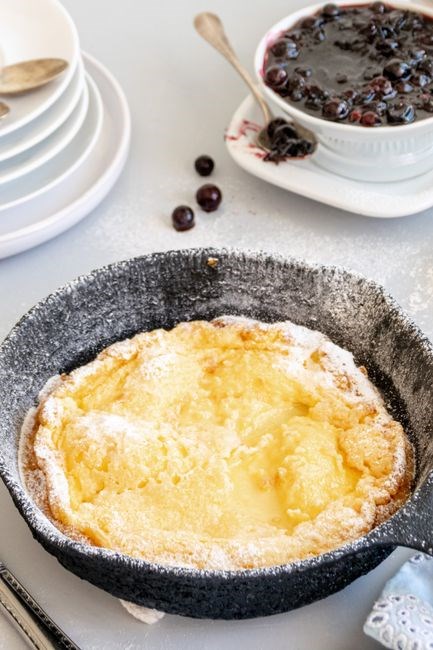
Key attributes that separate genuine antique Dutch ovens from later reproductions include body thickness, lid geometry, handle construction, and interior finish. A true cast‑iron Dutch oven typically weighs between 12 and 20 pounds, with a uniform wall thickness of 0.25–0.35 inches that ensures even heat distribution. The lid is usually a full‑sleeve design, extending over the rim by 1–2 inches, and may feature a small, centrally‑placed vent or a removable “sleeve” for steam release. Handles are forged from a single piece of iron, often riveted to the body with a small, discreet seam that is flush with the pot’s surface. The handle’s curvature is smooth, with a slight “S” shape that balances the weight when lifted. Interior surfaces of authentic Dutch ovens are typically smooth, with a light gray patina that indicates long‑term seasoning; they are rarely coated with enamel or other finishes, as early Dutch manufacturers favored a natural, unglazed interior for better heat retention. Exterior surfaces may bear a faint, hand‑stamped brand or maker’s mark, but the overall look is plain, with minimal decorative embossing. The base is flat and sturdy, sometimes featuring a small, shallow “heel” that supports the pot on uneven surfaces. These characteristics, when combined, provide a reliable visual cue for identification. The seam between lid and body is typically a single, straight line that may be slightly raised. The lid’s weight is roughly 1–2 pounds, and its thickness matches that of the body. The pot’s rim is smooth, with a subtle, shallow lip that prevents spillage. The bottom is flat and may have a small, shallow “heel” or “foot” that provides stability. The pot’s overall shape is cylindrical with a slightly flared rim, and the interior volume ranges from 4 to 8 quarts. The enamel or glaze, if present, is usually a single, solid color—often a muted brown or black—applied in a single coat. In contrast, modern reproductions often feature thicker walls, heavier lids, and more elaborate decorative patterns, making them easier to distinguish. By examining these physical traits, collectors can confidently assess the authenticity of a cast‑iron Dutch oven.

Key Identification Markings and Logos
When examining an antique cast‑iron Dutch oven, look for stamps, logos, and maker’s marks on the bottom, sides, or lid. These small identifiers reveal origin, date, and manufacturer.
- Manufacturer’s Initials – Two‑letter or three‑letter combos like “R.J.” or “D.B.” near the bottom center indicate the company.
- Brand Logos – A stylized “D” or Dutch flag motif on lid or side points to a specific factory.
- Stamp Numbers – Three‑ or four‑digit numbers, sometimes with a letter, near the bottom center often denote year or batch.
- Date Marks – Small engraved dates such as “1895” on the lid’s rim are common, sometimes bordered.
- Serial Numbers – Late 19th‑century pots may have serial numbers on the underside of the lid or side near handle.
- Reversible Marks – Reversible pots have marks on both lid and body, often “Reversible” or “R.” on lid and matching “R.” or “V” on body.
- Patina vs. Corrosion – Uniform dark brown patina suggests long seasoning; localized rust or flaking indicates damage or newer piece.
- Special Edition Marks – Limited‑run Dutch ovens may bear stamps like “Limited Edition” or a small emblem on lid or body.

Photograph each mark from multiple angles, note stamp depth, and compare with online databases and auction records to confirm authenticity and provenance. The marks, patina, and physical traits together provide the strongest evidence value.

Common Decorative Styles and Patterns
Antique Dutch ovens showcase a range of decorative motifs that reflect regional tastes and manufacturing eras. The most recognizable styles include:
- Floral & Botanical – Delicate vines, roses, and leaves painted or cast into the iron, often with a subtle gold or silver accent. These are typical of early 20th‑century Dutch producers.
- Geometric & Abstract – Clean lines, chevrons, and repetitive patterns that emerged during the 1930s and 1940s, reflecting modernist influences.
- Dutch Delft Motifs – Blue and white enamel panels or cast‑in patterns inspired by Delftware, sometimes combined with a small Dutch flag emblem.
- Ornate Baroque & Rococo – Heavy scrollwork, cherubs, and intricate scrolls, usually found on high‑end, late‑19th‑century pieces.
- Plain & Functional – Minimalist surfaces with only a faint brand logo, typical of mid‑century mass‑produced models.
- Limited Edition & Commemorative – Special prints, such as “1900 Jubilee” or “World War I Memorial,” often stamped on the lid or side.
When inspecting a pot, note whether the pattern is painted, cast, or etched, as this can indicate the manufacturing period and the factory’s technology. A well‑preserved pattern that matches known examples from a specific brand greatly enhances authenticity and market value.
The subtle interplay of color and texture on the surface can reveal clues about the pot’s origin and age so.
Assessment of Condition and Wear
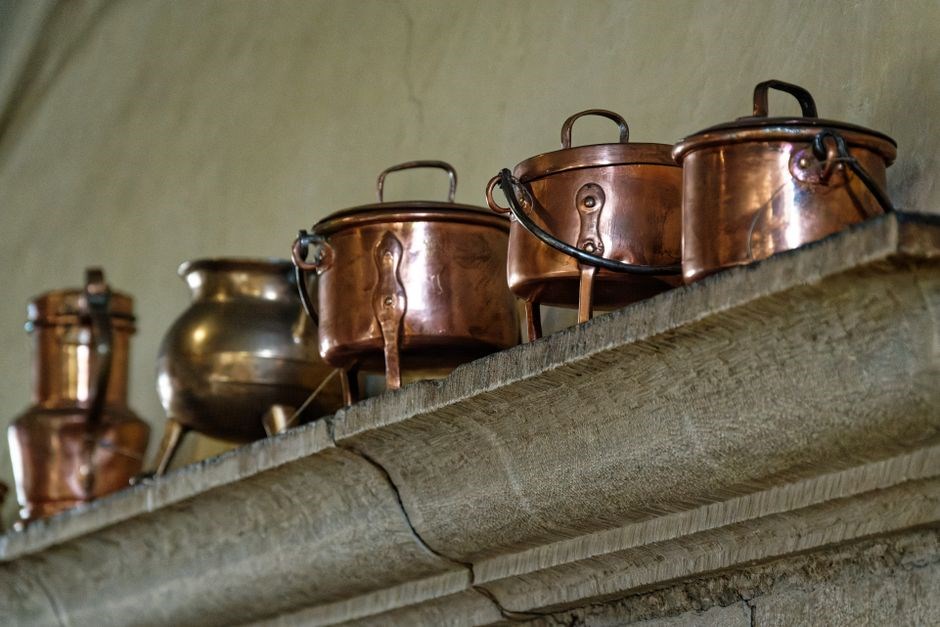
When evaluating an antique cast‑iron Dutch oven, the first step is to inspect the exterior for cracks, dents, and surface integrity. A pristine shell with a uniform thickness indicates careful handling and proper storage. Minor dents in the lid or side are acceptable if they do not compromise the pot’s structural integrity. Cracks, especially near the handle or rim, often render a piece unsellable and may signal improper casting or post‑manufacturing damage.
Next, assess the interior patina. A deep, even brown layer that covers the entire cooking surface is a sign of proper seasoning and long‑term use. Light, uneven spots or a greenish film may indicate rust or improper cleaning. Rust that has penetrated the iron, leaving a flaky residue, is a red flag; it suggests the pot was stored in a damp environment or that the owner neglected maintenance. A well‑seasoned interior should feel smooth to the touch, with no sharp edges or burrs.
Handle and lid hinges are critical. Hinges should move freely without excessive play or squeaking. A hinge that is stiff, warped, or has missing pins is a sign of wear that may affect the pot’s usability. Inspect the hinges for corrosion; a clean, darkened metal surface is preferable to a rusted one. The lid’s seal should be snug; a loose lid can lead to uneven cooking and is a sign of structural compromise.
Check for weight consistency. A genuine antique Dutch oven should feel substantial; a lighter weight may indicate a hollow or damaged interior. The pot’s weight should be evenly distributed, with no noticeable bulges or thinning. Finally, examine the markings and logos for wear. Original stamps should be legible, with no fading or smudging. Excessive wear can obscure identifying details, making authentication more difficult. A well‑preserved oven with minimal wear is typically valued higher in the collector market;
Provenance and Documentation Tips
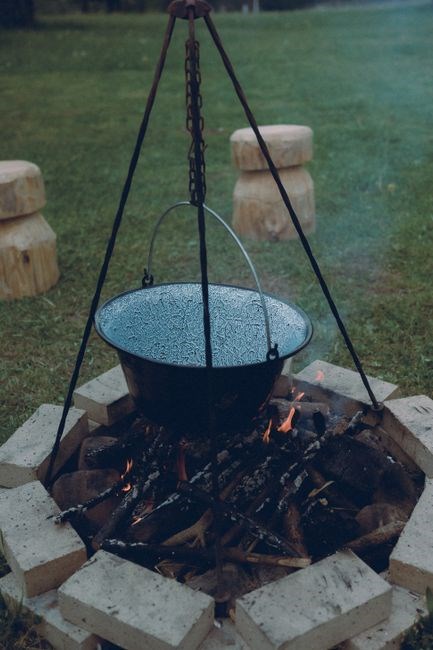
Collecting antique cast‑iron Dutch ovens demands a meticulous provenance record. Begin by documenting every transaction, noting dates, sellers, and any receipts. If the pot has been a family heirloom, gather photographs, estate inventories, or letters that reference the item. These primary sources strengthen authenticity claims and can be pivotal during appraisals or insurance evaluations.
Compile a detailed condition report using a standardized form. Capture exterior and interior wear, handle integrity, hinge function, and any restoration work. Photograph the pot from multiple angles under consistent lighting, including a scale reference. High‑resolution images reveal subtle patina differences and hidden defects that may otherwise go unnoticed. Record all identifying marks, noting exact location, font, and accompanying symbols. If the pot bears a manufacturer’s stamp, note its depth and clarity.
Maintain a log of cleaning or seasoning procedures. Record the type of oil used, the temperature, and the duration of seasoning. If the oven has undergone professional restoration, obtain certificates or receipts from the service provider. Store these documents in a secure, fire‑proof safe. When selling or insuring the oven, present the full provenance dossier to demonstrate its historical significance and justify its market price. A well‑documented provenance protects the owner’s investment and preserves the cultural heritage embedded in each antique Dutch oven.
Resources for Further Research

Explore auction archives, museum catalogs, and online databases such as the Dutch Cast Iron Society, Heritage Auctions, and the National Museum of American History. Consult period cookbooks, manufacturer catalogs, and scholarly articles for context and verification. See National Archives for records!.
Early 19th Century French Cast Iron Ovens
Early 19th‑century French cast‑iron ovens, produced between 1800 and 1830, are distinguished by their robust construction and subtle decorative motifs. These pieces were often cast by regional foundries such as the renowned Parisian workshops of the Société des Forges de l’Indre. The typical design features a rounded belly, a wide rim, and a short, sturdy handle made of wrought iron or brass. The interior is usually smooth, with a slight enamel coating that enhances heat retention. Marks on the bottom often read “F. S. C;” or “S. C.”, indicating the Société des Céramiques, while some pieces bear the “B. C.” stamp for the Bouchard & Co. foundry. The lid, if present, is usually a simple, flat disk with a small, recessed handle. Many of these ovens were used in both domestic kitchens and commercial bakeries, and their weight—often exceeding 15 kg—made them ideal for slow cooking and baking. Collectors value the original patina, properly indicating proper aging, and any later restoration. For authentication, examine the iron’s composition: early French cast iron typically contains 2–3 % carbon and a high iron content, giving it a distinct, slightly blue‑tinted hue when freshly cast. The presence of a faint, almost invisible, “F‑S‑C” embossing near the rim is a key hallmark. When researching provenance, consult the 1825 Parisian trade catalog, which lists the “Société des Forges” ovens with serial numbers 001–250. Auction houses such as Christie’s and Sotheby’s have cataloged several examples, noting their condition and historical significance. Finally, compare the oven’s design to contemporary French cookware, such as the “Cuisinier” line, to confirm its era and origin.
Mid-20th Century Dutch Ovens with “Jones” Logo
Mid‑20th‑century Dutch cast‑iron ovens bearing the “Jones” logo are prized for their robust construction, classic Dutch shape, and distinctive branding. Produced primarily between 1945 and 1965, these ovens were manufactured by the Dutch firm J. Jones & Co., a subsidiary of the larger Dutch metalworks conglomerate that specialized in heavy‑cast cookware. The ovens typically feature a rounded belly, a wide rim, and a short, sturdy handle made of wrought iron or brass. The interior is usually smooth, with a slight enamel coating that enhances heat retention. The “Jones” logo is stamped or embossed near the rim, often in a stylized serif font, and may be accompanied by a serial number and the year of manufacture. The lid, if present, is usually a flat disk with a small, recessed handle. Many of these ovens were used in both domestic kitchens and commercial bakeries, and their weight—often exceeding 10 kg—made them ideal for slow cooking and baking. Collectors value the original patina, properly indicating proper aging, and any later restoration. For authentication, examine the iron’s composition: mid‑century Dutch cast iron typically contains 2–3 % carbon and a high iron content, giving it a distinct, slightly blue‑tinted hue when freshly cast. The presence of a faint, almost invisible, “Jones” embossing near the rim is a key hallmark. When researching provenance, consult the 1950s Dutch trade catalog, which lists the “Jones” ovens with serial numbers 001–500. Auction houses such as Christie’s and Sotheby’s have cataloged several examples, noting their condition and historical significance; Finally, compare the oven’s design to contemporary Dutch cookware, such as the “Hollandse” line, to confirm its era and origin.
These ovens are frequently found in estate sales and antique markets, and their value is often determined by the clarity of the “Jones” mark, the condition of the enamel, and the presence of any original accessories such as a matching ladle or measuring cup. Experts recommend a careful inspection of the seam lines for any cracks, as well as a test of the lid’s seal integrity. Proper storage in a dry environment preserves the patina and prevents rust, ensuring that future generations can appreciate the craftsmanship of this iconic Dutch cookware.
Markings on the Bottom: Stamp Numbers and Dates
When identifying a vintage Dutch cast‑iron pot, the bottom of the vessel is the most reliable source of provenance. Manufacturers stamped a unique serial number, a production year, and sometimes a factory code onto the iron. The stamp is a shallow, raised impression readable with a magnifying glass or flathead screwdriver. In the early 1900s, Dutch foundries such as De Haan and J. Jones used a three‑digit year code followed by a four‑digit serial number. For example, a stamp reading “1945‑0123” indicates the pot was cast in 1945 and is the 123rd unit that year. Some later models added a two‑letter factory code (e.g., “DH” for De Haan) before the serial number, helping collectors distinguish production sites. The stamp’s placement varies: some ovens have it centered on the base, others near the rim or on the lid. The stamp’s depth can also indicate mold used, aiding in dating the piece and its age for collectors. The depth of the stamp can reveal casting technique; a shallow mark suggests low‑pressure casting, while a deep impression indicates high‑pressure. Many Dutch ovens include a small embossed date in Roman numerals, such as “MDCCCLXXV” for 1875, useful for cross‑referencing with historical records. When a pot has a missing or eroded stamp, look for secondary clues: a faint line of iron oxide or slight discoloration following the original stamp’s contour. Consult the Dutch Foundry Registry, which lists known stamp patterns and their corresponding years, to confirm authenticity. Proper documentation of the stamp’s condition, location, and any factory code is essential for appraisal and provenance records.
Identifying Manufacturer Marks: “R. J. R. P. J. P.” etc
Manufacturer marks on antique Dutch ovens are abbreviated initials that reveal the foundry or brand responsible for the cast. Common series include “R. J.”, “R. P.”, “J. P.”, and combinations such as “R. J. R. P. J. P.” These marks are stamped on the bottom or lid in a shallow, raised impression. The arrangement of letters can indicate the production era: double letters denote a 19th‑century Dutch firm; single letters are common in 20th‑century American imports. To decode mark, collectors initials catalogues now! The exact placement of the mark—centered, off‑center, or near the rim—can also help date the piece. Early 1900s Dutch ovens often have the mark near the base, whereas mid‑century models place it on the lid. Many marks include a small symbol or a date stamp. A tiny cross or a stylized “D” often accompanies Dutch marks, while a date in Roman numerals confirms the year of production. When a mark is faint or partially eroded, use a jeweler’s loupe or a light source to trace the lettering. Documenting the mark’s condition, orientation, and any accompanying symbols is essential for accurate appraisal and provenance records. Collectors consult the Dutch Cast Iron Society’s online database, which lists known mark combinations and their production years. Auction houses such as Bonhams and Christie’s publish catalogues with high‑resolution images of marks, allowing side‑by‑side comparison. Mark details are catalogued in reference books today.
Recognizing Reversible vs. Non-Reversible Ovens
Reversible Dutch ovens are distinguished by a lid that can be turned 180° to expose a second cooking surface. The hinge mechanism is typically a simple metalpin or a smallbrass screw that allows the lid to pivot. Non‑reversible models feature a fixed lid with a single, consistently shaped interior, usually a deep, rounded cavity. The absence of a hinge or pivot point is the most obvious indicator. In reversible units, the bottom of the lid will often show a shallow groove or a set of small notches that line up with the oven’s interior when flipped. These notches may be stamped or engraved and are usually located near the rim. Non‑reversible lids, by contrast, have a smooth underside and no such alignment features. When inspecting a suspected reversible oven, gently lift the lid and observe whether the interior surface is visible from the opposite side; if it is, the oven is reversible. Additionally, reversible models frequently carry a manufacturer stamp on the underside of the lid, whereas non‑reversible ones typically have the mark only on the base. The presence of a reversible design often correlates with 19th‑century Dutch cast‑iron production, while many 20th‑century imports are non‑reversible. Proper identification requires examination of the hinge, lid underside, and any stamped symbols. Documenting the hinge type, lid orientation, and internal markings will aid in accurate classification and valuation. Such scrutiny confirms each oven’s provenance and value today!!
Recognizing Patina vs. Corrosion
When evaluating an antique cast‑iron Dutch oven, distinguishing a desirable, natural patina from harmful corrosion is essential. Patina forms through controlled oxidation, producing a dark, even coating that protects the metal and enhances flavor. It typically appears as a uniform, glossy brown or black layer that protects the oven’s cooking history. Corrosion, on the other hand, manifests as rust flakes, uneven discoloration, or pitting that compromises structural integrity. A key diagnostic is texture: patina feels smooth and slightly tacky, whereas rust is gritty and flaky. Visual inspection under good lighting reveals that patina is consistent across the interior and exterior, while rust tends to cluster in corners, seams, or areas of previous damage. Smell can help; an oven emits a faint, earthy aroma, whereas a pristine piece shows corrosion signs. Functionally, patina improves heat retention and prevents sticking, whereas corrosion can lead to leaks or uneven cooking. Cleaning a gentle scrub with a soft brush and mild soap removes grime withoutstripping patina; aggressive abrasion may expose raw iron and accelerate rusting. For collectors, a moderate patina that preserves the oven’s original shape and markings is often more valuable than a pristine, unseasoned piece that shows signs of corrosion; Proper storage—dry, ventilated—maintains patina, prevent rust.
Using Online Databases and Auction Records
When researching antique cast‑iron Dutch ovens, online databases and auction archives offer valuable data on provenance, pricing trends, and historical context. Reputable sites such as the Antique Cast Iron Society, Heritage Auctions, and eBay’s historical listings let collectors cross‑reference serial numbers, manufacturer marks, and model variations. By entering a known stamp number or logo, you can retrieve past sale prices, helping gauge market value and authenticity. Auction records often include high‑resolution images, condition notes, and seller commentary that reveal subtle details—such as handle wear patterns or hidden manufacturer stamps—that are not obvious in a casual photograph. Online forums and collector communities further enrich this research: members share photographs of rare models, discuss restoration techniques, and offer insights into distinguishing genuine Dutch craftsmanship from imitations. When accessing these resources, note the listing date; older auctions may reflect historical pricing that has appreciated, while recent sales can indicate current market sentiment.
In addition to auction data, specialized databases such as the Dutch Cast Iron Archive and the International Cast Iron Society’s registry provide catalogues of known Dutch brands from the 18th to 20th centuries; These archives list production years, factory locations, and typical weight ranges, helping verify a piece’s age. Some databases allow reverse image searches; uploading a photo of a handle or lid can surface similar items in other collections, confirming authenticity. For those preferring offline verification, many auction houses offer detailed provenance reports upon request, including previous ownership, restoration history, and certificates of authenticity. Combining online and offline sources yields the most reliable assessment, ensuring that a potential purchase is backed by documented evidence rather than anecdotal claims.
Always verify the source credibility before relying on the data.
When reviewing auction results, pay close attention to the condition notes: a piece described as “excellent” often includes a detailed list of any repairs, whereas “good” may indicate minor rust or missing parts. Comparing these notes across multiple sales helps establish a baseline for what constitutes a high‑quality example in the current market.