liste des mauvaises herbes avec photo pdf
Understanding Weed Identification Guides (PDF Format)
Digital weed guides, often in PDF format, are becoming essential tools․ They offer visual lists of weeds with photos, aiding quick and accurate plant recognition for various users․
The Role of Platforms like WIKWIO
WIKWIO emerges as a valuable platform for sharing information regarding adventitious flora, effectively bridging the gap between knowledge and practical application․ This resource specifically caters to a diverse audience including farmers, agronomists, students, and educators, providing accessible tools to aid in weed identification․
The platform’s utility is enhanced by its potential to host and distribute weed identification guides, potentially in PDF format, complete with detailed images․ Users benefit from collaborative features, allowing for shared insights and updates on weed species․ However, it’s crucial to acknowledge that information, particularly from sources dated 2019, may require verification due to evolving agricultural practices and chemical regulations․ Staying current is paramount for effective weed management․
Target Audience for Weed Identification Resources
Weed identification resources, including PDF guides with photos, serve a remarkably broad audience․ Primarily, agricultural professionals – farmers and agronomists – rely on accurate identification for effective weed control strategies․ Students and educators in botany, agronomy, and related fields utilize these guides for learning and research purposes․
Home gardeners also represent a significant user group, seeking to manage unwanted plants in their landscapes․ Beyond these core groups, landscaping professionals and environmental managers benefit from precise weed identification for responsible land stewardship․ The accessibility of PDFs with visual lists of weeds makes information readily available to both experts and those with limited botanical knowledge, fostering informed decision-making across diverse sectors․
The Importance of Up-to-Date Information
Weed identification, even with detailed PDFs and photo lists, demands current data․ Weed distribution and resistance to control methods evolve constantly․ A guide published years ago may misidentify emerging species or recommend ineffective treatments․ Regulatory changes, like restrictions on chemicals such as glyphosate, necessitate updated resources reflecting legal limitations and alternative strategies․
New herbicide-resistant weed strains require revised identification protocols and control recommendations․ Therefore, relying on the latest research and publications is crucial․ Regularly updated PDF weed guides with photos ensure users have access to accurate information, maximizing the effectiveness of weed management practices and minimizing environmental impact․ Outdated information can lead to costly mistakes and ecological harm․

Common Weed Control Methods
Effective weed control ranges from chemical applications (like glyphosate, now restricted) to ecological alternatives and innovative robotic solutions, aiding in garden and field management․
Chemical Weed Control & Restrictions (Glyphosate Example)
Historically, chemical weed control, particularly utilizing herbicides like glyphosate, was a dominant practice․ However, increasing restrictions are being implemented due to environmental and health concerns․ Farmers in Southwestern Ontario, for instance, are now needing to explore new chemical cocktails as older options become unavailable․
Glyphosate’s effectiveness stemmed from its broad-spectrum action, eliminating a wide range of unwanted plants․ Despite its past prevalence, the shift towards ecological alternatives is gaining momentum․ Understanding these restrictions and exploring alternative methods is crucial for sustainable weed management․ The availability of detailed weed identification guides with photos (PDFs) becomes even more important when selecting appropriate, targeted treatments․
Ecological Herbicide Alternatives
With growing restrictions on chemical herbicides like glyphosate, ecological alternatives are gaining prominence․ These options focus on plant-based herbicides, offering a more sustainable approach to weed control․ These alternatives aim to minimize environmental impact while still effectively managing unwanted vegetation․
Simple methods, like completely eradicating small, troublesome plants in gardens, represent a foundational ecological approach; Utilizing weed identification guides with photos (PDFs) is vital for accurately identifying target species before applying any treatment, even ecological ones․ This ensures the right solution is used for the specific weed, maximizing effectiveness and minimizing unintended consequences for beneficial plants․
Innovative Technologies: Robotic Weed Removal
Cutting-edge technology is revolutionizing weed control, with robotic solutions leading the charge․ Researchers have successfully equipped robots, such as Boston Dynamics’ Spot, with flamethrowers to precisely eliminate weeds in agricultural fields․ This targeted approach minimizes herbicide use and reduces environmental impact․
Accurate weed identification is crucial for these robotic systems to function effectively․ Detailed weed identification guides with photos (PDFs) serve as essential training data for the robots’ image recognition software․ These guides enable the robots to differentiate between crops and weeds, ensuring only unwanted plants are removed․ This technology represents a significant step towards sustainable and efficient agriculture․

Beneficial Uses of Weeds
Despite being unwanted, weeds offer surprising benefits․ They can be recycled and reused in gardens, showcasing their value beyond simply being identified in photo-rich PDF guides․
Weed Recycling and Reuse in Gardens
Often viewed negatively, weeds possess untapped potential within the garden ecosystem․ Instead of solely focusing on eradication – aided by resources like weed identification PDFs with photos – consider their repurposing․ Many weeds contribute valuable organic matter when composted, enriching soil structure and fertility․ Certain species, like chickweed, act as ‘green manure’, suppressing other unwanted plants and providing ground cover․
Dandelion leaves are nutritious additions to salads, while nettles can be brewed into a beneficial tea for plant health․ Even invasive weeds can be utilized; for example, bindweed’s strong fibers have historical uses․ Recognizing weeds – facilitated by detailed guides – shifts the perspective from purely destructive to resourceful, promoting sustainable gardening practices and reducing reliance on external inputs․

Defining Weeds & Adventitious Plants
Weeds are plants growing where unwanted, often termed “adventices” or “herbes folles․” PDF guides with photos aid in identifying these spontaneous, often resilient, flora․
Different Names for Weeds: “Mauvaises Herbes,” “Adventices,” “Herbes Folles”
The terminology for weeds varies across languages and contexts․ In French, “mauvaises herbes” directly translates to “bad herbs,” while “adventices” and “herbes folles” are also commonly used․ These terms all refer to plants growing where they aren’t intentionally cultivated․
Accurate identification is crucial, and resources like PDF guides with photos are invaluable․ These guides help bridge language barriers by providing visual references․ Understanding these different names highlights the subjective nature of what constitutes a “weed”—a plant’s status often depends on perspective․ PDFs offering comprehensive lists of weeds with photos empower users to correctly name and manage unwanted vegetation, regardless of the regional terminology employed․
The Ecological Perspective on Weeds
Ecologically, weeds aren’t inherently “bad”; they are simply plants thriving in disturbed environments․ They often pioneer new areas, contributing to soil stabilization and providing resources for wildlife․ Recognizing this shifts the focus from eradication to management․
Detailed weed identification guides, particularly those in PDF format with photos, are vital for understanding a plant’s role within an ecosystem․ PDFs listing weeds with photos allow for informed decisions about intervention, considering potential benefits․ A holistic approach acknowledges weeds as components of biodiversity, promoting sustainable land management practices․ Accurate identification, facilitated by visual resources, is the first step towards appreciating their ecological significance․
Reconnecting with Local Flora: Knowing and Naming Weeds
A deeper connection with our environment begins with recognizing the plants around us, even those often dismissed as “weeds․” Learning their names and understanding their life cycles fosters appreciation for local biodiversity․ Comprehensive weed identification guides, especially PDFs with detailed photos, are crucial for this process․
PDFs offering a list of weeds with photos empower individuals to move beyond simply labeling plants as undesirable․ Accurate identification unlocks a wealth of knowledge about a plant’s history, ecological role, and potential uses․ This reconnection combats the “crisis of disconnection” and encourages responsible stewardship of our natural surroundings, promoting a more informed and sustainable relationship with the land․

Impact of Weed Control on Turfgrass
Intensive weed control practices, while aiming for pristine lawns, can unfortunately lead to turfgrass degradation, creating bare patches and weakening overall grass health․
Intensive Use & Turfgrass Degradation
Frequent and aggressive weed control, particularly through repeated chemical applications, significantly impacts turfgrass vitality․ The relentless pursuit of a weed-free lawn often disrupts the delicate ecological balance within the soil․ This disruption can lead to a decline in beneficial soil microorganisms crucial for nutrient cycling and overall plant health․
Furthermore, continuous herbicide use can select for herbicide-resistant weed strains, necessitating even stronger chemical interventions – a vicious cycle․ The resulting stress on the turfgrass weakens its natural defenses, making it more susceptible to diseases and pests․ Ultimately, intensive use creates areas where grass struggles to thrive, leading to bare spots and a generally degraded turf quality, requiring more intervention․
Creating a Comprehensive Weed Identification PDF
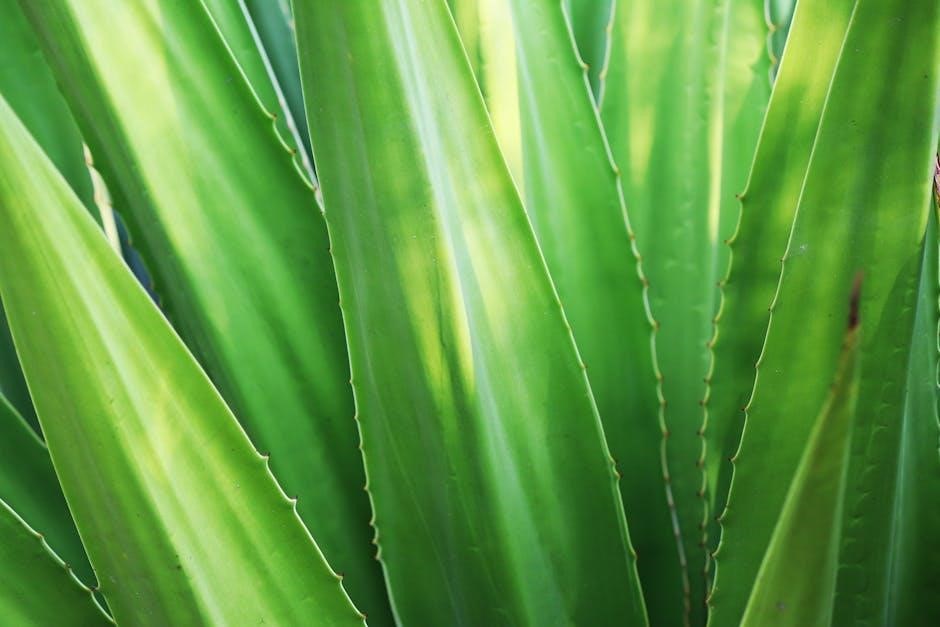
A robust PDF guide requires detailed imagery and clear categorization․ Including a list of weeds with photos, alongside morphological descriptions, is paramount for accurate identification․
Essential Elements of a Weed Identification Guide
A truly useful weed identification guide, particularly in PDF format, must go beyond simply listing weeds with photos․ It needs a structured approach․ High-resolution images are critical, showcasing the plant at various growth stages – seedling, vegetative, and reproductive․
Detailed morphological descriptions are equally important, covering leaf shape, stem characteristics, flower color, and root structure․ A clear categorization system, separating weeds into broadleaf, grass, and sedge types, enhances usability․
Furthermore, including information on the weed’s life cycle (annual, biennial, perennial) and preferred habitats aids in accurate identification․ Consider adding a distribution map showing where the weed is commonly found․ Finally, a glossary of botanical terms will benefit less experienced users, making the list of weeds with photos truly accessible․
Image Quality and Clarity in Weed Photos
When compiling a weed identification guide, especially a PDF featuring a list of weeds with photos, image quality is paramount․ Blurry or poorly lit photographs render the guide useless․ Each image should be high-resolution, allowing users to zoom in and examine key features․
Multiple photos per weed are essential – showcasing the entire plant, close-ups of leaves, stems, flowers, and seed heads․ Consistent lighting and a neutral background minimize distractions․
Images should accurately represent the typical appearance of the weed, avoiding anomalies․ Including photos of the plant at different growth stages (seedling, mature plant) is crucial for accurate identification․ A well-curated list of weeds with photos relies heavily on visual clarity and detail․
Categorization of Weeds (Broadleaf, Grass, Sedge)
Effective weed identification guides, like a PDF containing a list of weeds with photos, benefit significantly from clear categorization․ Grouping weeds into major types – broadleaf, grass, and sedge – simplifies the identification process․ Broadleaf weeds have wider leaves and often display colorful flowers․ Grasses possess narrow, blade-like leaves and typically have inconspicuous flowers․
Sedges, often mistaken for grasses, have triangular stems (“sedges have edges”)․
Within each category, further sub-grouping by family or growth habit enhances usability․ A list of weeds with photos organized this way allows users to quickly narrow down possibilities based on initial observations․ Consistent categorization across different guides promotes standardization and ease of learning․
Detailed Descriptions: Morphology and Life Cycle
A comprehensive weed identification PDF, featuring a detailed list of weeds with photos, must extend beyond simple visuals․ Accurate descriptions of plant morphology – including leaf shape, stem characteristics, flower structure, and root systems – are crucial; These details differentiate similar-looking species․
Understanding a weed’s life cycle – annual, biennial, or perennial – informs control strategies․ Annuals complete their life cycle in one year, while perennials return year after year․
Descriptions should also include typical growth habits and preferred habitats․ A list of weeds with photos paired with this information empowers users to confidently identify plants and select appropriate management techniques․

Resources for Downloadable Weed Identification PDFs
Numerous sources offer free weed identification PDFs, including agricultural extension services, university research, and online databases – often containing a list of weeds with photos․
Agricultural Extension Services
Agricultural Extension Services represent a cornerstone for accessing reliable weed identification resources․ These publicly funded organizations, often linked to land-grant universities, frequently provide downloadable PDFs featuring comprehensive lists of weeds with accompanying photographs․ These guides are tailored to specific regional challenges, ensuring relevance for local farmers and gardeners․
They often categorize weeds by type – broadleaf, grass, sedge – and detail their life cycles and control methods․ Importantly, these resources are typically updated regularly to reflect current best practices and emerging weed species․ Searching “[Your State] Agricultural Extension Service weed identification” will quickly lead you to valuable, free PDFs with detailed weed lists and photos, designed for practical application in the field․
University Research Publications
University research departments often publish detailed weed identification guides in PDF format as part of their outreach and extension programs․ These publications frequently stem from ongoing research into weed biology, distribution, and control methods․ Expect a higher level of scientific rigor and detail compared to general guides, including precise botanical descriptions alongside illustrative lists of weeds with high-quality photographs․
Many universities maintain online repositories where these PDFs are freely available for download․ Searching “[University Name] weed science publications” can yield excellent results․ These resources are particularly valuable for students, researchers, and professionals needing in-depth information, offering comprehensive weed lists and photographic aids for accurate species identification․
Online Databases and Compilations
Numerous online databases and compilations offer downloadable weed identification PDFs, aggregating resources from various sources․ These platforms often feature user-submitted photos and identification assistance, creating a collaborative learning environment․ While convenience is a key benefit, verifying the accuracy of information from these sources is crucial․
Look for websites maintained by agricultural organizations or botanical societies, as they tend to have more reliable content․ Many provide searchable lists of weeds with accompanying photographs, allowing users to filter by region or plant characteristics․ These PDF guides can be a quick and accessible starting point for identification, though cross-referencing with university publications is recommended for confirmation․